You’re Not Failing, The Wellbeing Story Women Were Never Taught - Dr Rewena Keegan
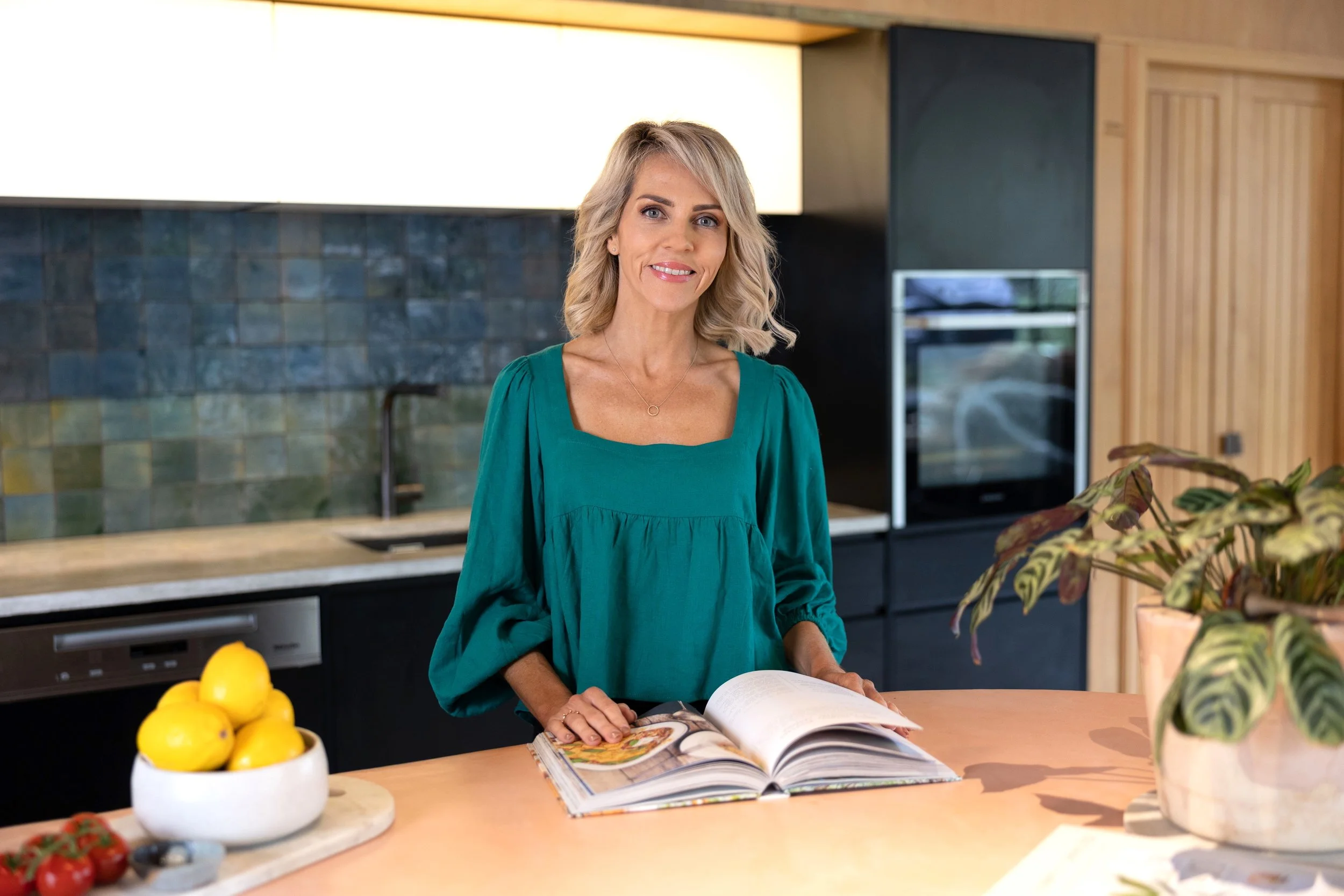
Meet Dr Rewena Keegan, Surgeon, Founder of Revital Wellbeing Medicine, and Health Coach, and Keynote Speaker for a force for good hub 2026 event.
So many intelligent, capable women quietly believe they are failing at their health. They succeed in their careers, care deeply for their families, and carry enormous responsibility, yet when it comes to weight, exercise, or wellbeing, they feel stuck, guilty, or exhausted. In this conversation, Dr Rewena Keegan, Surgeon, Founder of Revital Wellbeing Medicine, and Health Coach, challenges the narrative that women lack willpower or discipline. Instead, she reframes wellbeing as a practice built on consistency, self compassion, and sustainable habits that fit real life. Her insights offer a powerful reminder that when women stop punishing themselves and start caring for themselves, they unlock the energy, clarity, and resilience needed to be a true force for good.
1. The Hidden Struggle
Why do so many intelligent, capable women feel like they are failing when it comes to their weight, exercise, or wellbeing, even though they succeed in so many other areas of life?
“So many capable women tell me they feel like they’re “failing” at their health. And it’s never because they’re lazy or undisciplined. Most women are operating at capacity and juggling households, careers, ageing parents, kids’ schedules, and they put themselves last.
Wellbeing requires the opposite: boundaries, rest, and consistency. Women simply haven't been taught to prioritise themselves without guilt. One of my favourite expressions is “you cannot pour from an empty cup” and I passionately believe in this. We can all be so much better and show up fully in every aspect of our lives when we prioritise our own wellbeing.”
2. Diet Culture Truth
If diets worked, we wouldn’t need new ones every year. What keeps women trapped in the cycle of trying, stopping, and starting again?
“If diets worked, we wouldn’t keep inventing new ones! They all rely on one fundamental concept which is calorie restriction, via limitations of particular food groups or meals. They work in the short term but 98% fail because they simply are not sustainable. Women get trapped in the cycle because restriction triggers hunger hormones, slows metabolism, and increases cravings. Then perfectionism kicks in and then one off day feels like failure and we tend to give up when we take this all or nothing approach. Diets are also incredibly seductive, because they sell us the promise of a “better version of ourselves”. I work with patients to change their mindset around dieting, and shifting from the notion of restriction to one of “what can I add to my diet to improve my health”. I love the concept of eating patterns which are both nourishing and sustainable, and have found this approach is so much more successful. We thrive when our bodies and our microbiomes are well nourished - this is actually when we see success.”

Change your mindset
“What can I add to my diet to improve my health.”
3. The Biggest Myth
What is the number one misconception women believe about weight loss or healthy living that holds them back?
“The biggest misconception is that women think they need more willpower.
What actually drives lasting health is not willpower, it’s CONSISTENCY. It’s environment, routines, nervous system regulation, and identity. Once you stop relying on motivation (which is such a fleeting notion) and start building systems that work even on your busiest days, everything changes. Progress comes from tiny, daily, boring changes just 1% at a time. There may be 2 steps back for every 3 steps forward, but consistency over time built around sustainable habits is what achieves results.”
4. Motivation vs Identity
You say motivation is unreliable — why? And what creates more lasting change instead?
“Motivation is unreliable because it’s emotional. It comes and goes, particularly when we are tired or overwhelmed. Identity is far more powerful. How we identify ourselves shapes the person who we want to become, and vice versa. When a woman sees herself as “someone who trains” or “someone who eats to support her energy”, it becomes non-negotiable. It’s just who she is. Similarly, negative self talk has the same effect, so when we see ourselves as “just too busy to exercise” or “so exhausted from work and parenting” this further reinforces the narrative and creates a road block in becoming the person we want to be.”
5. Emotional Load
How do stress, overwhelm, and the mental load impact a woman’s ability to build and sustain healthy habits?
“The mental and emotional load many of us carry is what quietly sabotages healthy habits. When a woman is carrying the logistics and emotional work of a family, her brain is exhausted before she even gets to her own needs. Decision fatigue alone can derail exercise, food choices, and sleep. So how can we manage this? Ironically, by putting on our own oxygen mask first we have more capacity to give in other areas of our life. Protecting our time to rest and sleep, ensuring we eat well and scheduling time for regular exercise will all improve our feelings of wellbeing and improve our physical and mental capacity to carry the mental load.”

health mindset
“Lasting health isn’t built on willpower. It’s built on consistency, self-compassion, and habits that fit real life.”
6. Shame & Self-Talk
What role does shame, guilt, or negative self-talk play in derailing a woman’s wellbeing journey?
“Shame and guilt shut women down.
When our inner dialogue is harsh (“why can’t I just get it together?”) it triggers a stress response that makes behaviour change almost impossible. As women we need way more self compassion. We tend to focus so much on discipline and “being good” and are unforgiving of our own mistakes. By letting go of shame and stopping seeing our mistakes as failures (rather, they are simply more information) we can allow ourselves the grace to develop and change in positive ways.”
7. Micro Habits
What is one small, almost effortless habit a woman could begin today that would genuinely make a difference over time?
“When women ask me what the one small thing is that actually makes a difference, I usually say this: stop trying to overhaul everything, and start with something so small it feels almost too easy. I will also be the first to admit that I used to be the most extreme example of this and completely held this “all or nothing” mentality. It has taken me time to change this! But the results have been life changing. So, focus on one habit at a time. The most effective habits are the ones that fit into real life. For example, attaching a health habit to something you already do every day, like making your morning coffee. While the kettle boils, you drink a glass of water, maybe step outside for a minute of daylight, have a few slow breaths and a stretch, These habits work because they’re repeatable. Over time, they build consistency and confidence, and that’s what creates momentum. Small changes done on repeat add up to much more than big sweeping changes that lack sustainability.”
8. A Moment of Change
Can you share a moment — in your life or in your work — where a woman shifted her mindset around her body or habits, and everything changed?
“When I work with clients I ask them 1 very important questions - How ready are you to change? They have to answer on a scale of 1-10, and if they don’t answer a 7 or higher, then we go no further. In order to transform ourselves, we have to be prepared. We have to truly believe that we are ready to face this head on, and so our mindset and self belief are the most fundamental building blocks in any transformation. I see success in almost all my patients because they are coming to me at a point in time that they are already and committed - I just help them by providing tools and filling in knowledge gaps, but their success is completely driven by their own commitment and self belief that they can achieve their goals.”
9. The Identity Shift
How does a woman move from “I’m someone who struggles with this” to “I’m someone who takes care of myself”? What sparks that identity shift?
“Most women think this shift happens when they finally “get motivated.” But in my experience, it happens much more quietly than that. I see it when a woman starts choosing things she can actually keep doing. Not a big reset or a new plan, but small behaviours that fit into her life. She goes for a short walk because it helps her headspace. She eats in a way that supports her energy. She rests before she’s completely depleted. Its not dramatic, its just little positive 1% changes and habit stacking. At first, she still thinks of herself as someone who struggles. But each time she follows through, even imperfectly, she gathers evidence. And over time that evidence changes the story. She stops feeling like she’s “trying” to take care of herself and starts seeing it as something she naturally does. Women need to change their mindset from a feeling of shame when their progress stalls or they make a bad choice. When women stop interpreting missed days as failure and start seeing them as part of real life, they stay engaged. Progress isn’t linear and there will be always be hard days. Having grace with yourself and keeping perspective of the bigger picture is the way to keep moving forward.”
10. The New Story
If women understood wellbeing the way you do, what would they stop doing — and what would they start believing instead?
“If women understood wellbeing the way I do, they’d stop punishing themselves with diets, stop chasing extremes, and stop assuming they need to be perfect.
They’d start believing:
small habits genuinely work
strength is protective and muscle is the organ of longevity
rest is essential
food is fuel,
health is a long game
their worth has nothing to do with their weight
These are the messages that I share over and over again. Because they work. If women truly believed this, they would find their health and wellbeing would optimise and they would feel the happiest and most balanced they have ever been.”
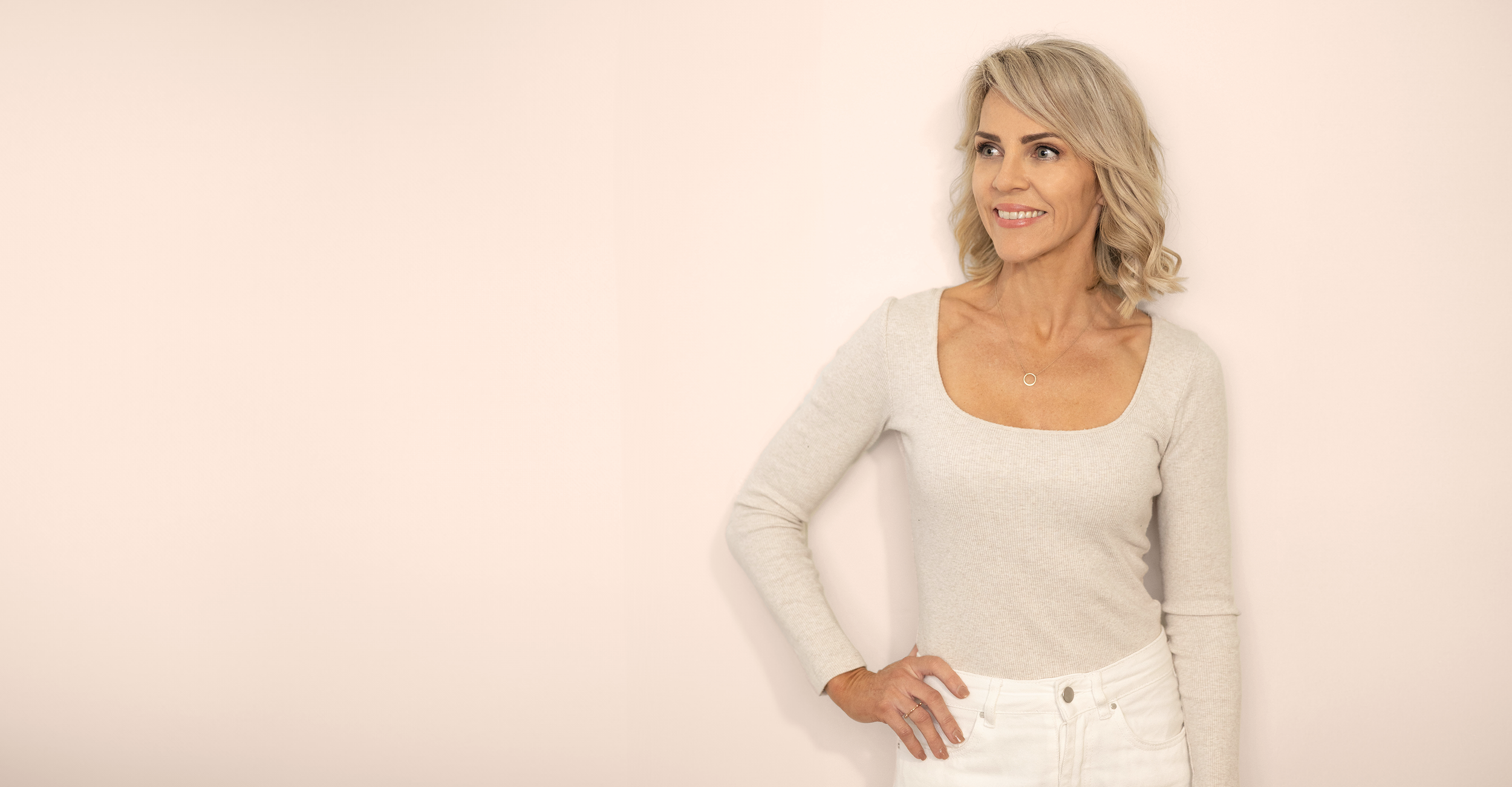
Dr Rewena Keegan, Surgeon, Founder of Revital Wellbeing > www.revital.au
Don’t miss your chance to hear Dr Rewena Keegan’s keynote at A Force For Good Hub on 6 March 2026 >